
Blog · Costs
Strip Out Costs Sydney: What Affects Your Quote
See what affects strip out costs in Sydney and what to include when comparing quotes for residential, commercial or defit work.
Updated 18 June 2026 · 5 min read
Share this guide
Short answer
Sydney strip out costs depend on what is being removed, what must stay protected, site access, material volume and the required handover. Clear photos and a room-by-room removal list produce a more useful quote than floor area alone.
Key takeaways
- Material type, access and protection can affect the work as much as room size.
- Compare the removal boundary, waste and handover—not only the total price.
- Send photos of the work areas and the route material will take out of the property.
In this article
Why Strip Out Prices Vary
A strip out is priced around the work required at a particular property, not the floor area alone. Two rooms of the same size can need very different amounts of labour if one has direct driveway access and light cabinetry while the other is upstairs, fully tiled and reached through a shared lift.
The most useful starting point is a clear removal list. It should identify each fixture, finish and internal element that comes out, what must stay, how material can leave the property and the condition needed for the next trade.
Residential Strip Out Cost Factors
A residential strip out might cover one room, several renovation areas or most of a home's interior. The main cost drivers are usually the amount and type of material, the access route and the protection needed around retained areas.
Room type matters because the work is different:
- A kitchen strip out can include cabinetry, benchtops, appliances, splashbacks and floor finishes.
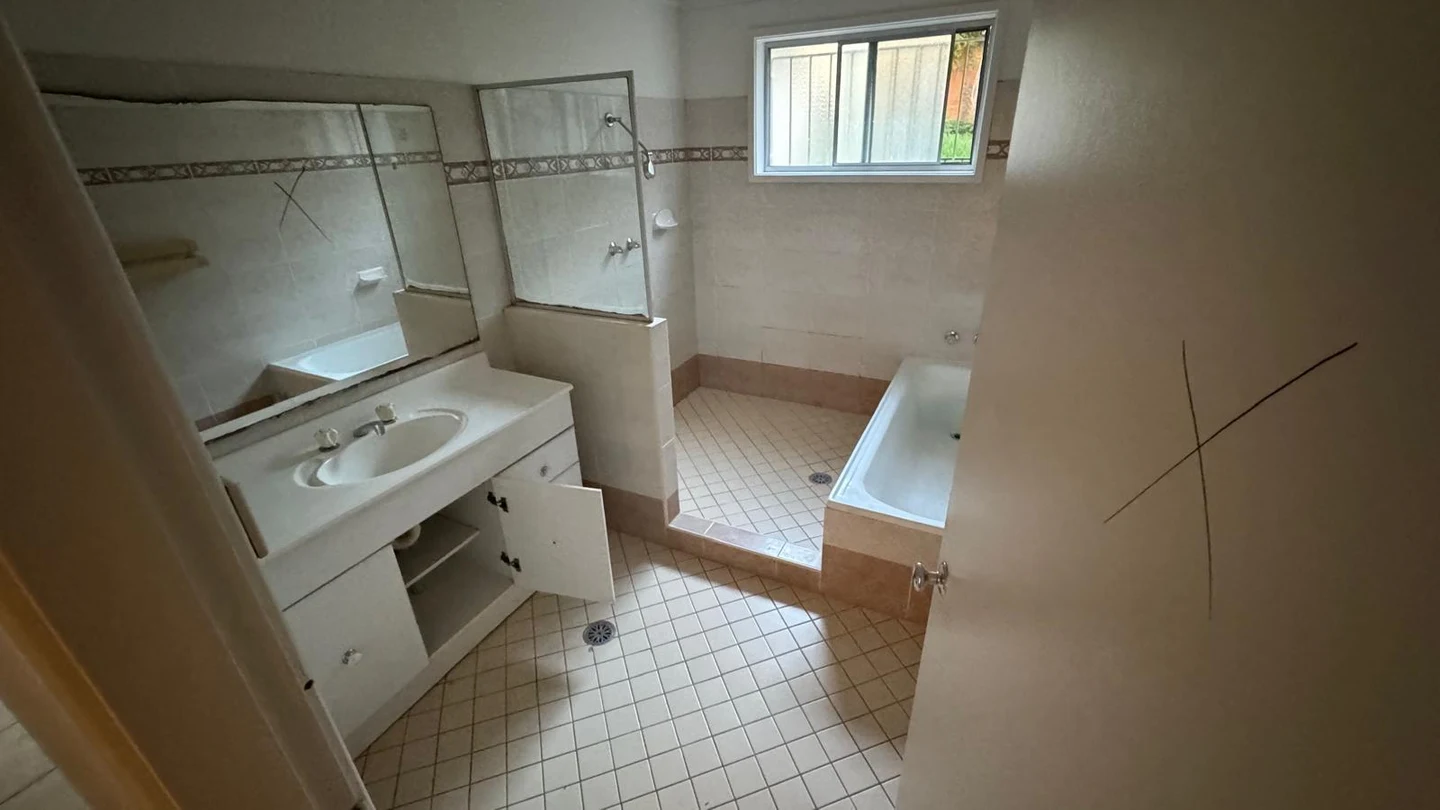
- A bathroom strip out may involve fixtures, wall and floor tiles, screed and waterproofed surfaces.
- Floor removal depends on the covering, adhesive or underlay and the condition required for the new floor.
- A full interior can combine several material types, more protection and a larger waste load.
Photos help establish the visible scope, but concealed layers or services may only become clear after an inspection or once the agreed work begins. A quote should explain how those discoveries will be handled rather than pretending every condition is visible at the start.
Commercial Strip Out and Defit Costs
Commercial strip outs are shaped by the tenancy as well as the removal work. Office partitions, retail joinery, hospitality equipment, ceiling systems, flooring and services can all affect the load-out plan.
The building can be just as important as the fit out. Common factors include:
- loading dock and goods-lift bookings;
- access through occupied common areas;
- building inductions and approved work windows;
- protection for lifts, corridors and neighbouring tenancies;
- hoarding, security or centre-management requirements; and
- the lease or landlord's handover standard.
For an end-of-lease project, read the defit cost guide alongside the lease make-good clause. Removal and make-good work are related, but they are not automatically the same scope.
The Six Details That Shape a Quote
1. What Needs to Come Out
List the rooms and items rather than asking for a broad “strip out”. Cabinetry, tiles, ceilings, partitions, joinery, floor finishes and heavy masonry each involve different removal and handling.
2. What Must Stay
Retained floors, walls, windows, doors, services and common areas may need protection. Clear boundaries also reduce the chance of a useful fixture or finish being removed by mistake.
3. Site Access
Stairs, lifts, narrow entries, long carries, parking restrictions and bin positions affect how the crew and material move through the site. Include photos of the access route, not only the room being stripped.
4. Material and Waste Volume
Dense materials such as tiles, screed and concrete create a different handling task from lightweight joinery or plasterboard. The quote also needs a practical route from the work area to the vehicle or bin.
5. Building and Timing Rules
Strata, landlords and commercial building managers may set work hours, lift bookings, protection standards or approval steps. Council or certifier checks may also apply depending on the address and proposed work.
6. Handover Condition
“Ready for renovation” can mean different things. Confirm whether the next trade needs exposed framing, a cleared slab, retained services made safe, adhesive removed, surfaces prepared or another specific finish.
What a Clear Quote Should Show
You should be able to tell what is included without reconstructing the scope from several conversations. Look for:
- the rooms, fixtures and finishes being removed;
- retained items and the protection allowed for;
- loading, waste removal and disposal arrangements;
- service-disconnection or specialist-work boundaries;
- any access or work-hour assumptions;
- the agreed handover condition; and
- exclusions or unresolved items that could change the scope.
When comparing quotes, compare those inclusions before comparing the totals. A lower figure can represent a smaller removal or handover scope.
What to Send for a Useful Quote
Prepare a short description of the project, the suburb and the intended renovation or lease handover. Add wide photos of each work area, close-ups of important materials and photos of stairs, lifts, entries and the likely loading point.
If they apply, also send:
- plans or a marked-up removal drawing;
- a lease make-good clause or landlord scope;
- strata or building-management requirements;
- the required completion or handover date; and
- details of anything that must remain undamaged or operational.
That information helps Mick understand the actual job and identify anything that still needs checking before he prepares the free quote.
Planning and Safety Checks
Approval and safety requirements depend on the site and scope. Structural work, demolition involving load-bearing elements, heritage controls, strata renovations and suspected hazardous materials need the appropriate pathway confirmed before work starts. Suspect material should be left undisturbed for assessment by an appropriately qualified professional.
Current official guidance:
- NSW Planning: do I need consent from my council? (opens in new tab)
- NSW Government: strata renovation rules (opens in new tab)
- SafeWork NSW: demolition work (opens in new tab)
- NSW EPA: construction and demolition waste toolkit (opens in new tab)
Use the Sydney locations directory to reach the council source for the relevant service area. Sources reviewed 4 August 2026.
Related articles
Keep reading
 19 March 2026
Strip Outs Sydney: A Practical Planning Guide
Plan a Sydney strip out from the first removal list through access, protection, waste, building checks and the final handover.Read article 16 April 2026
Defit Costs Sydney: What Affects the Quote?
See what affects Sydney defit costs, from the lease make-good clause and fit-out density to access, services and landlord handover.Read article 15 January 2026
How to Choose a Strip Out Contractor in Sydney
Compare Sydney strip out contractors by written scope, relevant project examples, site planning, credentials, waste and handover detail.Read articleNext step
Need it stripped out?
Send photos, the suburb and what needs to come out. Mick will check the access and waste details before preparing your free quote.